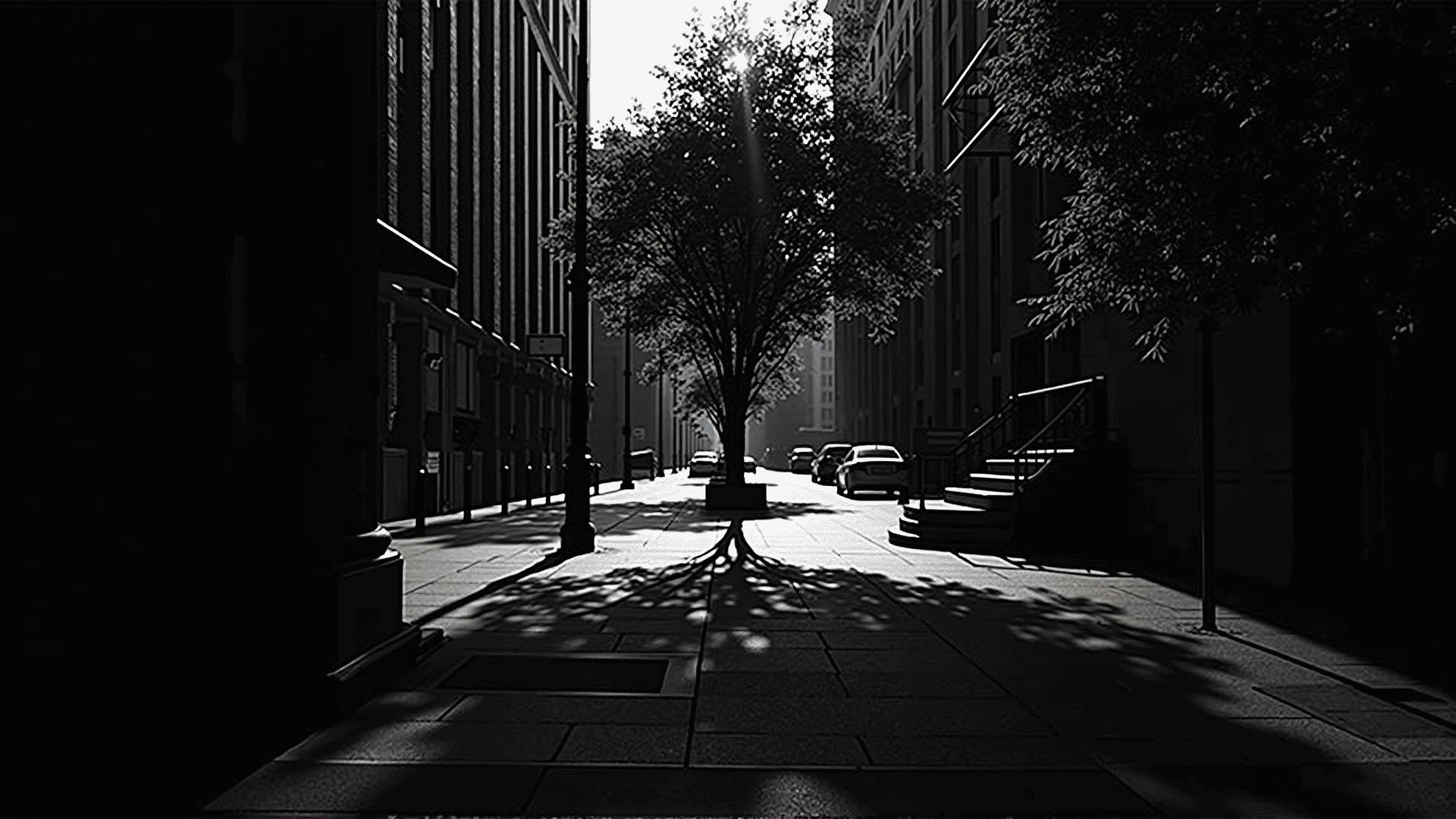
In the realm of visual artistry, understanding how to harness the power of shadows can dramatically elevate the emotional impact and depth of your images. Shadows are not merely the absence of light but powerful tools that can convey mood, dimension, and intrigue. Mastering the technique of shadow manipulation can transform an ordinary scene into a captivating masterpiece.
The Importance of Shadows
Shadows contribute to the narrative of an image, offering contrast and texture that highlight the subject. They can create a sense of mystery, emphasize isolation, or suggest dynamic movement. By carefully observing how shadows interact with various elements, one can orchestrate a more compelling visual story.
Natural Light vs. Artificial Light
The primary sources of shadows are natural and artificial light. Each has unique characteristics and can be harnessed to achieve different effects.
-
Natural Light: The sun offers a dynamic range of lighting conditions throughout the day, from the soft, diffused shadows of dawn and dusk to the sharper contrasts at high noon. Mastering outdoor lighting involves understanding the path of the sun and planning sessions to achieve the desired mood. The golden hour, for instance, casts long, gentle shadows that impart warmth and tranquility, ideal for capturing serene or romantic scenes.
-
Artificial Light: This offers control and consistency, essential for creating particular shadows irrespective of time of day or weather conditions. Studio lighting can be manipulated with precision, using techniques such as sidelighting and backlighting to sculpt the subject and cast intentional shadows that enhance the composition.
Techniques for Enhancing Shadow Play
-
Silhouettes: Placing your subject against a bright background can create dramatic silhouettes, with shadows defining the shape and form. This technique strips away detail, focusing attention on the subject's outline and encouraging the viewer’s imagination to fill in the blanks.
-
Chiaroscuro: Borrowed from the art world, this technique involves strong contrast between light and dark areas to create a sense of volume and three-dimensionality. By positioning your light source strategically, you can craft images that exude drama and intensity.
-
Texture and Patterns: Shadows can reveal or exaggerate texture, adding an unexpected layer of interest. Use elements like window blinds or latticework to introduce intricate shadow patterns that play across the subject or background, adding depth and visual complexity.
-
Elongation: During the early morning or late afternoon, the sun casts long shadows that stretch across your frame. These elongated forms can add a sense of dynamism and a unique perspective to otherwise simple scenes.
-
Multiple Light Sources: Experimenting with multiple lights can produce intersecting shadows, introducing complexity and layering into your composition. By varying the intensity and color of these lights, you can create a unique ambiance or tell a multi-faceted story.
Emotional Impact
Shadows have a profound effect on the emotional quality of an image. They can evoke solitude, melancholy, suspense, or calm, among other feelings. By consciously choosing how to incorporate shadows, one can guide the viewer's emotional response and reinforce the narrative tone.
In conclusion, learning to master the interplay of light and shadow is a rewarding endeavor that opens up a world of creative possibilities. By recognizing the potential of shadows to shape both the aesthetic and emotional dimensions of your work, you enable yourself to produce art that resonates with depth and character. Whether utilizing the subtle nuances of natural light or the exacting possibilities of artificial sources, the secrets of shadows lie ready to be discovered and harnessed for timeless impact.