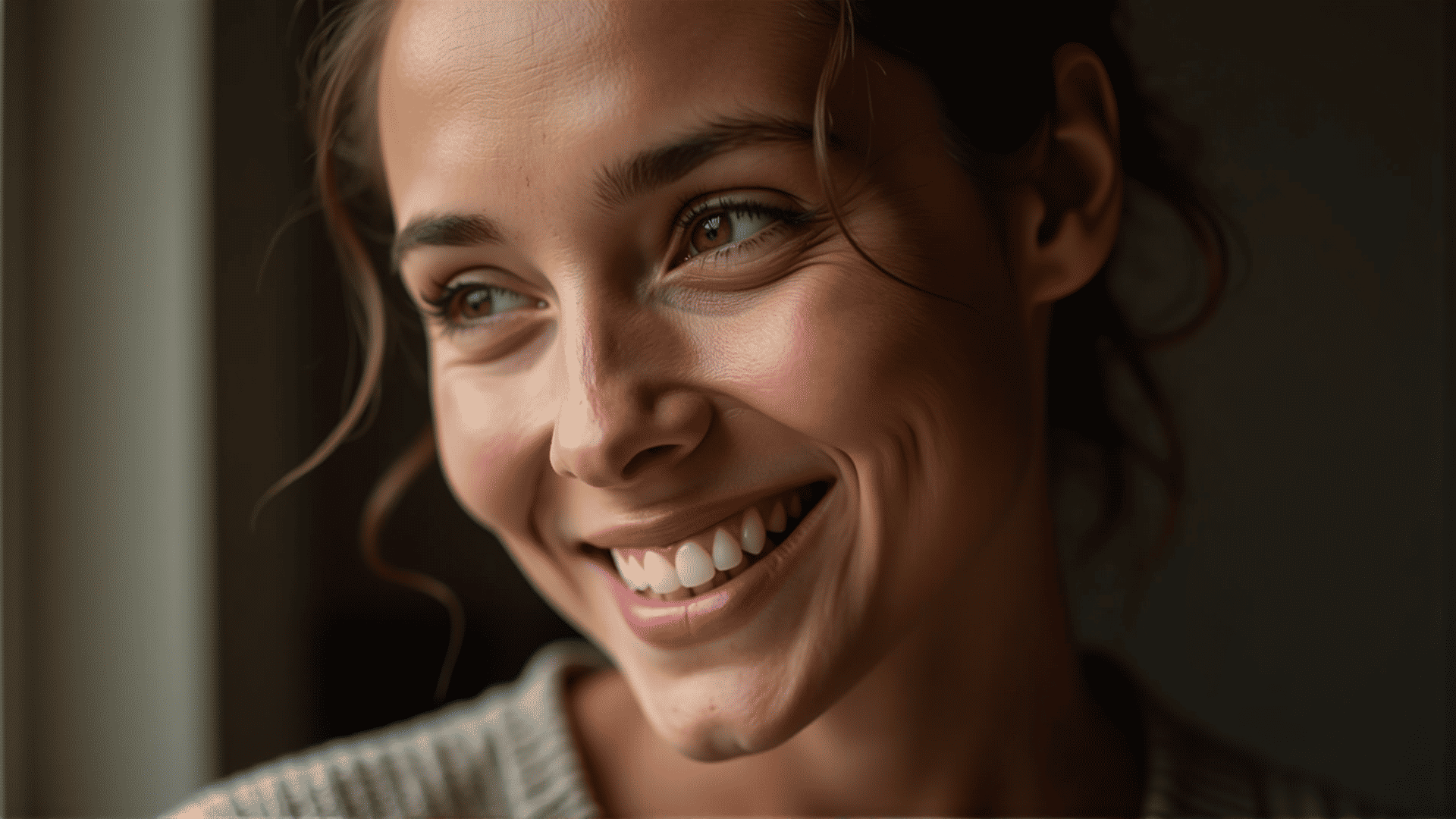
The art of capturing emotion in portrait images goes beyond merely pressing a button. It requires skill, intuition, and a connection between the individual behind the lens and the subject being photographed. This guide aims to explore techniques that help in creating authentic and emotive portraits, whether candid or posed.
Understanding Your Subject
The foundation of an expressive portrait lies in understanding your subject. Spend time getting to know their personality, interests, and stories. This familiarity will put them at ease, allowing for more natural expressions. Listen actively and engage in conversation to build rapport, which in turn fosters trust. When subjects feel comfortable, they're more likely to present genuine expressions.
Setting the Scene
The environment plays a significant role in bringing emotions to the forefront. Select a location that resonates with your subject’s personality or mood. Whether it's a bustling city street, a tranquil park, or a cozy room, the surroundings should complement the emotion you aim to capture. Lighting is equally crucial; soft natural light often enhances the mood and helps highlight delicate expressions.
The Power of Posing
Posing can dramatically alter the emotional impact of a portrait. Guide your subject gently, suggesting slight adjustments or focusing on details like hand positions, where eyes are directed, or how they hold their posture. Encourage them to explore different expressions by reliving moments or memories that evoke specific feelings. Subtle poses often lead to impactful images, capturing the nuances of emotion.
Capturing Candid Moments
Sometimes, the most evocative images are those that are unplanned. Candid moments reveal genuine emotions and often tell a more compelling story. Encourage your subject to engage in activities, conversations, or thoughts that naturally bring out emotion. Being unobtrusive and patient allows you to capture spontaneous expressions that might otherwise be lost.
Highlighting Emotion with Composition and Focus
The way a portrait is framed can enhance the emotional narrative. Use the rule of thirds to guide the viewer’s eyes toward key expressions. Play with depth of field to focus attention on the face, blurring distractions without losing context. Close-ups of eyes or hands can evoke emotion powerfully, drawing viewers into the subject’s emotional state.
The Role of Post-Processing
While the goal is to capture emotion at the moment, careful editing can enhance the emotional tone. Adjustments in contrast, brightness, and saturation can accentuate feelings. However, it is important to remain true to the genuine aspect of the portrait. Over-editing can make the image lose its authenticity, so aim for subtle enhancements to maintain the natural expression.
Emotional Connection in Portraiture
Ultimately, capturing emotion in a portrait is about creating a connection. Being empathetic and intuitive helps the person behind the lens to anticipate moments of expression. When subjects feel understood, they open up, allowing their true selves to shine through. This connection transcends the image, offering viewers insight into the subject’s emotions.
Portrait photography, when done with attention to detail and empathy, has the power to reveal the depths of human emotion. By striving to connect deeply with your subject and thoughtfully considering each element of the portrait process, you can capture images that tell meaningful, authentic stories.