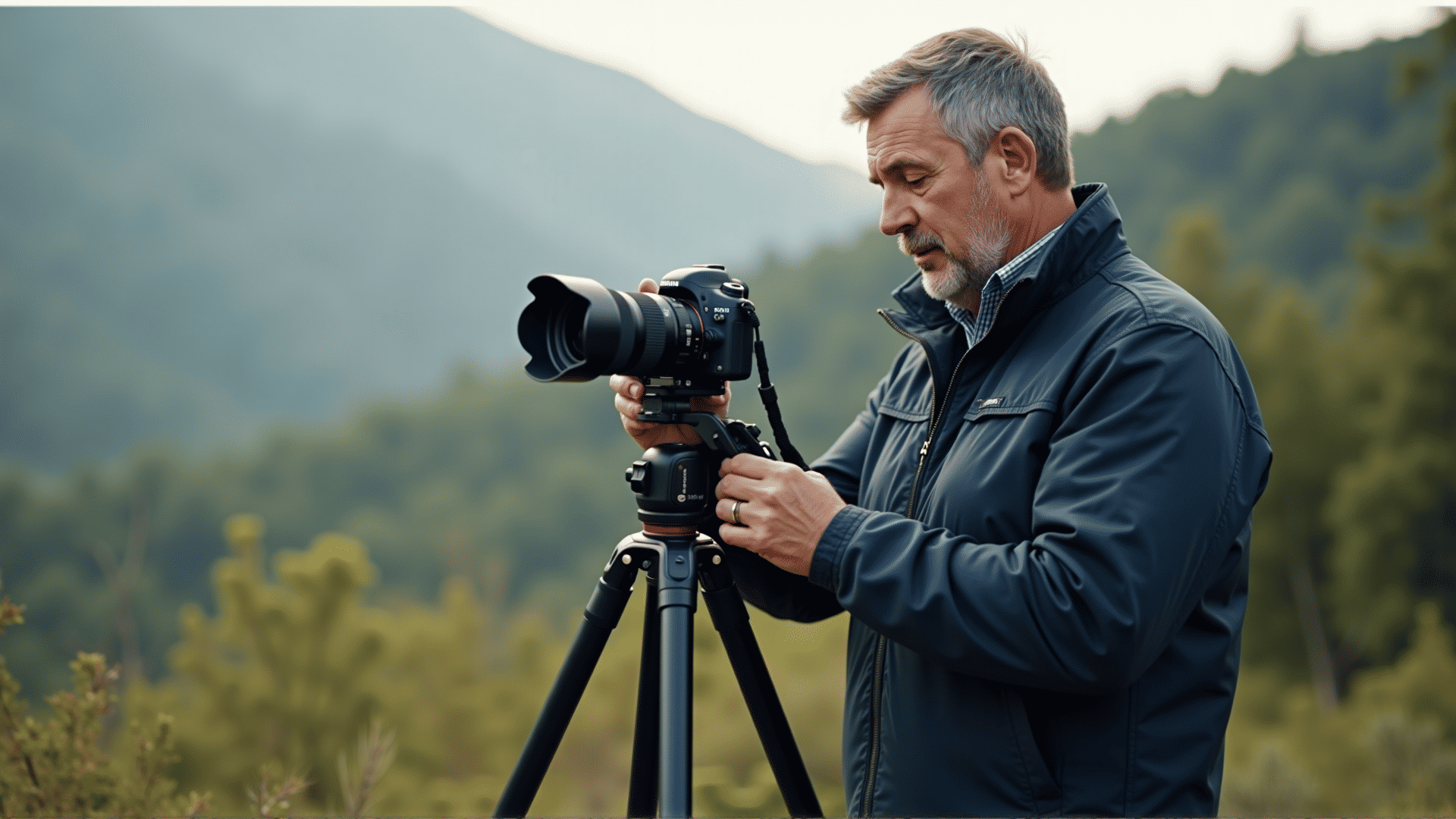
Understanding and mastering a variety of techniques is essential in transforming ordinary compositions into extraordinary ones. Here are several strategies to help refine your creative skills and elevate the quality of your images.
The Rule of Thirds
The rule of thirds is one of the most well-known techniques in visual arts. By dividing your frame into a 3x3 grid, you create intersection points that are ideal for placing elements of interest. This approach helps in creating balanced and compelling compositions, steering the viewer's eye through your piece.
Leading Lines
Leading lines guide the viewer's gaze across the frame, drawing attention to key components. These lines can be straight, diagonal, or curved, such as a winding road or a line of trees. Utilizing them effectively can create depth and focus, making your captures more dynamic and immersive.
Depth of Field
Manipulating depth of field allows you to highlight subjects while blurring the background. A shallow depth of field isolates your main focus, creating a sense of intimacy, while a deeper depth ensures everything remains crisp, perfect for landscapes or group scenarios. This control over focus can dramatically alter the mood and narrative of your work.
Framing
Framing involves using elements within your setting to create a 'frame' around your main subject. This technique draws attention to your focal point and can add layers of context. Look for natural frames like archways, branches, or windows to enhance your shot's perspective.
Perspective and Angle
Experimenting with perspectives and angles can provide fresh and intriguing views. Capturing from high above, low below, or an unexpected side allows you to represent ordinary subjects in extraordinary ways. This can evoke different emotions and uncover new narratives in everyday scenes.
Lighting
Understanding and utilizing lighting is pivotal. Natural light changes throughout the day, offering different tones and shadows. Early mornings or late afternoons are prime times for soft, golden hues, while harsh midday light can create strong contrasts. Indoors or low-light scenarios challenge you to be innovative with available light sources, creating ambiance and drama.
Movement
Capturing movement can infuse energy and life into your work. Techniques like panning where you move in sync with a moving subject, or adjusting shutter speed to blur motion, can add an exciting dimension. These methods help convey speed, action, and liveliness, engaging your audience more profoundly.
Minimalism
Less can be more. Minimalism focuses on simplicity and space, allowing your main subject to breathe within the frame. Reducing distractions focuses attention and often evokes a powerful emotional response, reliant on composition rather than excess detail.
Reflection and Symmetry
The use of reflections and symmetry offers striking results. Whether it's a building mirrored on water or creating symmetry along a divide, these elements produce visually satisfying and balanced compositions. This technique can also introduce a sense of harmony and continuity.
Experimentation
Breaking away from conventional methodologies and allowing room for experimentation can lead to unique discoveries. Play with different settings, unconventional subjects, or spontaneous moments. Embracing mistakes as happy accidents can uncover creativity that technical precision alone might not reveal.
By integrating these techniques into your workflow, you can not only refine your artistic voice but also enhance the storytelling aspect of your work. Keep practicing, exploring, and learning, and let each image you create be a step closer to your creative vision.