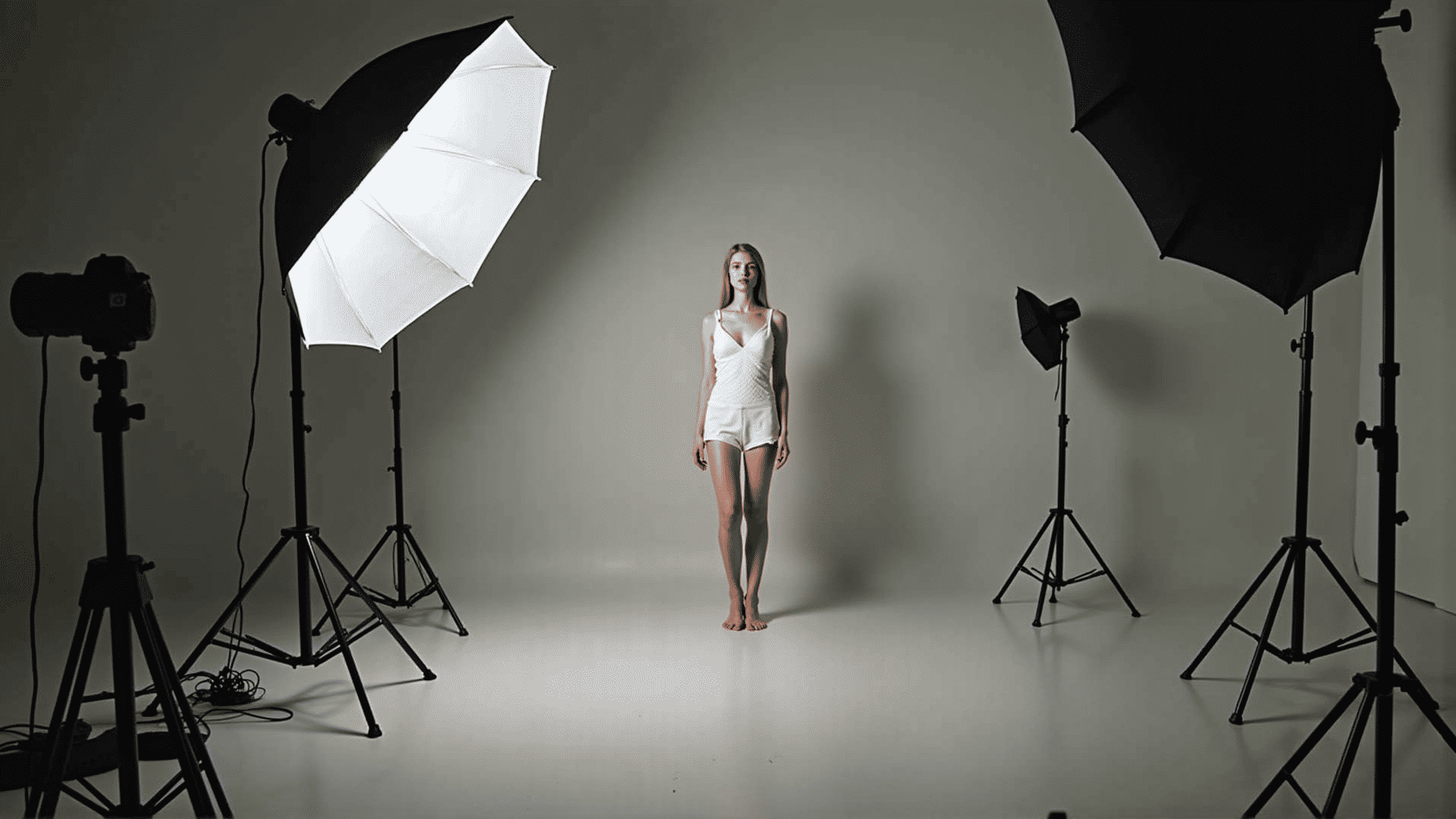
Understanding the principles of illumination can significantly enhance the quality of one's images, turning them from mundane to mesmerizing. Lighting is an essential component that influences the mood, atmosphere, and story within each frame.
At its core, lighting is about managing the source of light and its interaction with subjects. The direction, intensity, and color of light can shape the final outcome, making it crucial to comprehend these elements.
Natural vs. Artificial Sources
Natural illumination, primarily sourced from the sun, brings a dynamic range of effects based on time of day and weather. Early mornings and late afternoons, known as "golden hours," offer soft, warm tones ideal for creating a captivating ambiance. On the other hand, overcast days provide even, diffused illumination, reducing harsh shadows and highlighting details evenly.
Conversely, artificial options such as lamps or LEDs allow for greater control and consistency. By adjusting the intensity or adding colored filters, you can create specific effects regardless of outdoor conditions. The flexibility to customize brightness and direction helps in achieving the desired texture and depth.
Direction and Shadows
The direction from which light hits your subject dramatically affects the mood of the image. Front lighting illuminates the subject evenly, emphasizing colors and details while minimizing shadows. Side lighting adds dimensionality, creating shadows that accentuate textures. Backlighting produces a silhouette effect, often used to convey mystery or drama.
Mastering shadow play is integral. Shadows can add depth and interest, breaking the monotony and leading the viewer’s eye to focal points. Understanding how shadows interact with the subject can help in creating a balanced and engaging composition.
Color Temperature and White Balance
The color of the light, or its temperature, is another crucial aspect. Ranging from warm reds to cool blues, different temperatures can evoke distinct emotions. Adjusting white balance settings helps in achieving realistic colors and can also be used creatively to shift the mood of an image intentionally.
Creative Use of Lighting Techniques
Using techniques such as high-key or low-key lighting can further manipulate perception. High-key lighting, often featuring bright, evenly distributed light, is used to produce an optimistic, airy atmosphere. Low-key lighting, with its dominance of shadow and contrast, creates a sense of drama and intensity.
Experimenting with light modifiers like reflectors, diffusers, and gels can open up even more possibilities. Reflectors redirect light, filling in shadows without adding artificial light sources. Diffusers scatter light, softening it and reducing glare. Gels allow for color adjustments, which can be used to enhance mood and aesthetic.
Conclusion
Mastering lighting is key to enhancing the storytelling aspect of images. Whether using the natural glow of the sun or the controlled environment of studio light, understanding how to manipulate and harness this element can elevate one's ability to convey emotion and narrative. By experimenting with direction, intensity, and color, one can transform the ordinary into the extraordinary, pushing the boundaries of creative expression.