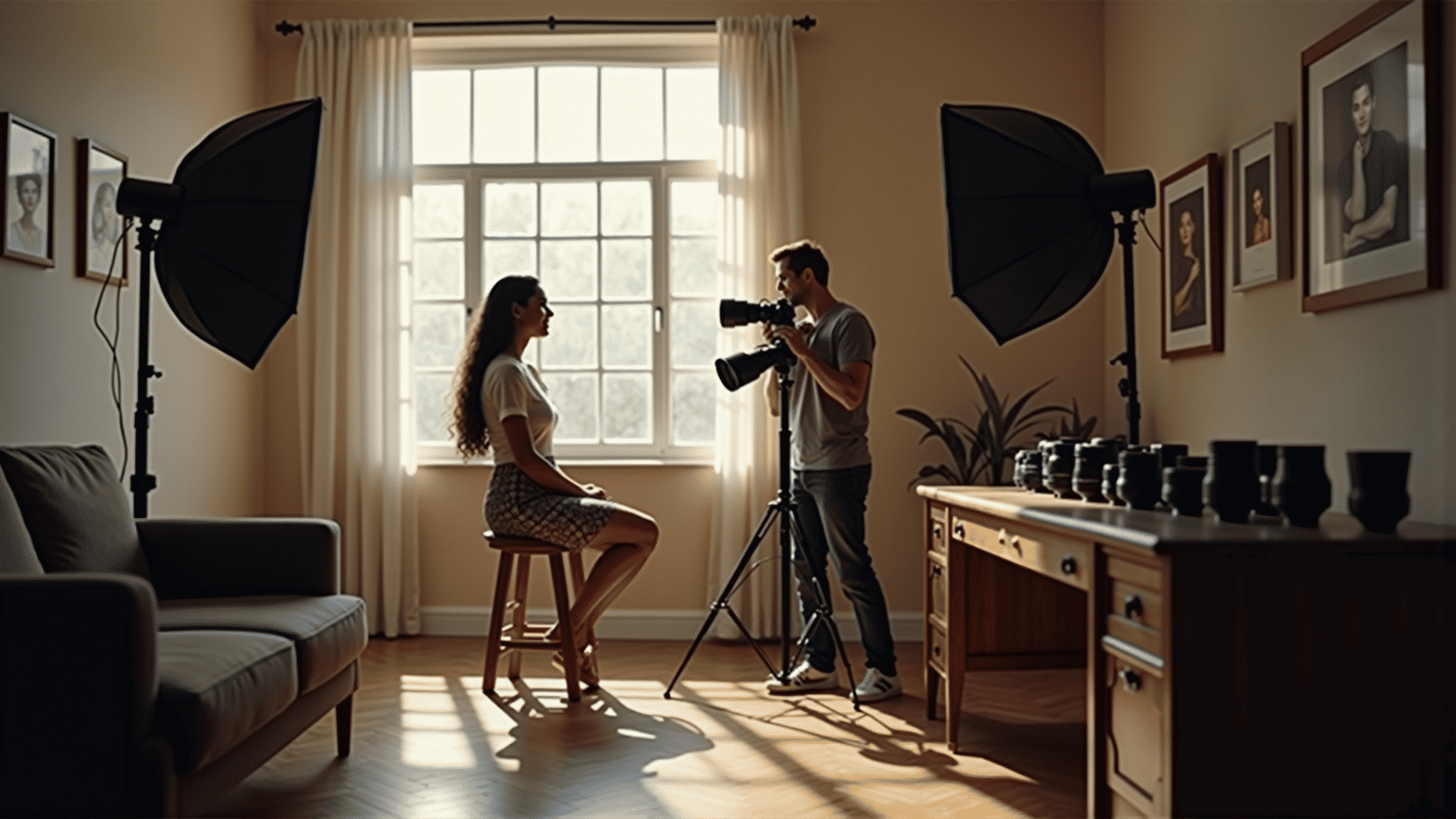
Enhancing your pictures through creative editing can transform a simple shot into a captivating image while maintaining its original charm. Here are some effective editing strategies to refine your photographs subtly and elegantly.
1. Embrace Natural Light: Natural light can significantly impact the quality and appeal of your images. When editing, aim to enhance the natural light captured in your photo rather than overexposing or heavily altering it. Adjust the brightness and contrast to make the most of the existing light conditions, ensuring shadows and highlights are balanced.
2. Mastering Color Adjustment: Slight tweaks in color can elevate your images remarkably. Adjust the saturation and temperature to ensure colors are vibrant yet realistic. Avoid over-saturating, as it can make the image appear unnatural. Use the color balance tool to give your photo the right mood, whether warm or cool tones, while ensuring skin tones remain true to life.
3. Perfecting the Crop: Cropping is a simple but powerful tool that can enhance your image composition. Trim distractions from the edges and focus on the main subject. Adhering to the rule of thirds can help in positioning the subject strategically within the frame, resulting in a more compelling composition.
4. Sharpening the Details: A little sharpening can make your photo look crisper without overdoing it. This technique enhances the edges and details in your photo, making it appear more polished. Be mindful of not over-sharpening, which could introduce noise and affect the quality.
5. Using Filters with Discretion: While filters can add a unique touch, moderation is key to maintaining authenticity. Choose filters that complement the image's mood without overpowering its original qualities. Customizing filter intensity is crucial to preserving the photograph's integrity.
6. Correcting Exposure: Sometimes, a picture may be too bright or too dark. Adjusting the exposure can correct this, bringing out lost details and ensuring all elements in the image are visible. Find the right balance to keep the photo from looking too washed out or shadowed.
7. Enhancing with Graduated Filters: Graduated filters are useful for correcting exposure in certain parts of an image. They can be used to darken overly bright skies or bring more focus to the subject by manipulating the light in the background. This tool allows for subtle changes that can add depth to your photograph.
8. Experimenting with Black and White: Converting an image to black and white can evoke a different emotion and highlight contrasts and textures. Experiment with this option to see if your image benefits from the classic look and feel that monochrome provides.
9. Mindful Removal of Imperfections: Minor imperfections can sometimes distract from the overall beauty of a photo. Use retouching tools sparingly to remove blemishes or small distractions, being cautious to maintain the natural look of the subject.
By following these editing guidelines, you can enhance your photos while preserving their original essence. Remember, the art of photo editing lies in subtlety and the ability to highlight a photograph's natural beauty.